Why You'll Love It
- - Bright, garden‑fresh vegetables give a lively color and taste
- - Completely vegan, yet satisfying and protein‑rich with pasta
- - Quick to assemble, perfect for busy weeknights
- - Flexible – swap in any spring veg you have on hand
"The flavors are so fresh, it feels like eating the garden itself!" – Maya L.
Essential Ingredient Guide
- Whole‑wheat pasta: Choose a sturdy shape like linguine or fettuccine; it holds the sauce and veggies nicely. Look for a golden hue that hints at whole grains.
- Spring vegetables (asparagus, peas, zucchini): Pick bright, firm spears and crisp peas. Snap a piece of asparagus; it should break cleanly. Fresh zucchini adds a gentle buttery texture.
- Lemon zest and juice: Adds a bright lift; zest the lemon right before using to capture the aromatic oils.
- Fresh basil and black pepper: Torn basil releases its sweet fragrance; coarse black pepper adds a subtle bite.
- Lemon juice: A splash at the end balances the olive oil richness and brightens the vegetables.
- Maple syrup (optional): A tiny drizzle can round out any slight bitterness from the greens without making it sweet.
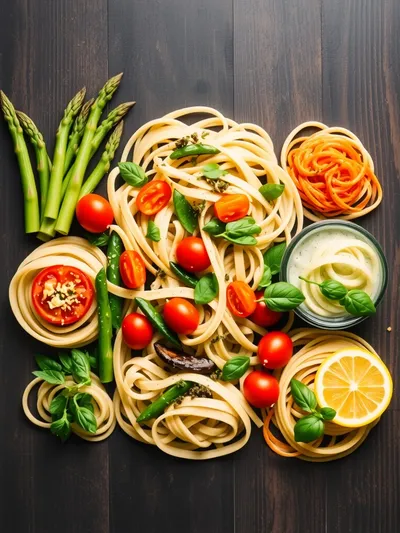
Complete Cooking Process
-
Ingredient Readiness:
Trim the asparagus, snap off woody ends, and slice into bite‑size pieces. Shell peas if using fresh, and dice zucchini into half‑inch cubes. Zest and juice the lemon, then set everything aside.
-
Flavor Development:
In a large skillet, warm olive oil over medium heat, then add the asparagus and zucchini first. Let them sizzle until they just begin to soften, then add peas so they stay bright green.
-
Texture Control:
While the vegetables cook, boil the pasta until al dente. Reserve a cup of pasta water; it will help bind the sauce later.
-
Finishing Touches:
Add the cooked pasta to the skillet, drizzle with lemon juice, toss in the zest, basil, and a splash of reserved water. Season with salt and pepper, then finish with a whisper of maple syrup if desired.
-
Serving Timing:
Serve immediately, garnished with extra basil and a grind of pepper. The dish is at its brightest when the vegetables still retain a gentle snap.
- Toast the lemon zest briefly in the pan for extra aroma
- Use the pasta water sparingly; it adds silkiness without diluting flavor
- Add basil at the very end to keep its fresh scent
- If you like a bit of heat, stir in a pinch of red pepper flakes
Pro Tips
Well, these little tricks keep the dish feeling light yet layered. Honestly, I find that a dash of toasted zest can turn a simple bowl into something that feels special, even on a Tuesday night. So, take your time with the vegetables—let them bloom in the pan, then combine with the pasta for that perfect harmony.
The essence of the dish:
A fun fact or historical angle:
Flavor or sensory focus:
You Must Know
- Cook pasta just shy of fully done; it will finish in the sauce
- Reserve pasta water for a silky finish
- Season in layers—not just at the end
Frequently Asked Questions
→ Can I use gluten‑free pasta?
Absolutely—just follow the package directions and reserve a little extra cooking water for the sauce.
→ What if I don’t have fresh peas?
Frozen peas work just fine; thaw them and add them toward the end of cooking so they stay bright.
→ How do I keep the vegetables from getting mushy?
Add the peas last and toss quickly; they only need a minute to heat through.
→ Can I add protein?
Yes, toss in some cooked chickpeas or marinated tofu for extra bite.
→ Is this recipe suitable for meal prep?
It’s best fresh, but you can store the cooked vegetables and pasta separately and combine quickly before serving.
→ What wine pairs well?
A crisp Sauvignon Blanc or a light Pinot Grigio complements the lemony freshness.
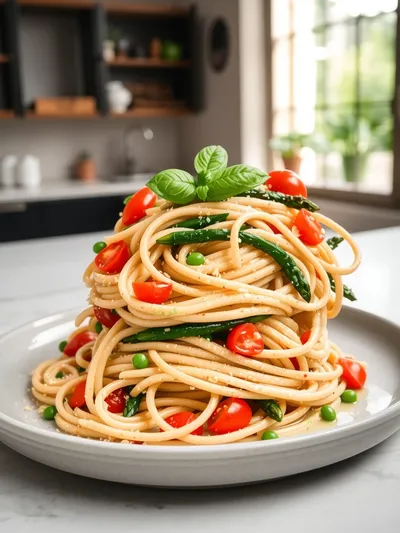
Chef's Tips
Taste and adjust seasoning before serving; a pinch more salt can brighten the flavors.,For extra herbaceous depth, add a few leaves of fresh mint just before plating.,If you prefer a richer mouthfeel, stir in a tablespoon of vegan butter at the end.
Nutrition Facts
per serving
420
Calories
14g
Protein
68g
Carbs
12g
Fat
Taste Profile
Bright, herbaceous, and gently citrusy
Ingredient Substitutions
Don't have an ingredient? Try these alternatives
Cooking times may vary; check package directions.
Keep bite size similar for even cooking.
Recipe Variations
Try these delicious twists on the original
Spicy Version
Add ½ tsp red pepper flakes and a drizzle of sriracha for a gentle kick.
Mediterranean Style
Stir in crumbled vegan feta, kalamata olives, and sun‑dried tomatoes for a richer profile.
Common Mistakes to Avoid
Learn from others' mistakes for perfect results
- Overcooking the vegetables, which makes them lose their bright snap.
- Adding too much pasta water, resulting in a soupy sauce.
- Seasoning only at the end, missing depth of flavor.
Meal Prep & Storage
Make Ahead Tips
You can trim and slice the vegetables up to 24 hours ahead; store them in an airtight container with a damp paper towel to keep them fresh.
Leftover Ideas
Reheat gently in a skillet with a splash of water; add a little fresh lemon juice to revive the brightness.
Perfect Pairings
Serve this with...
Cooking Timeline
Prep all vegetables, zest and juice the lemon, and bring a pot of water to a boil.
Cook pasta until al dente; reserve cooking water and drain.
Sauté asparagus and zucchini in olive oil until just tender.
Add peas, cook briefly, then combine pasta and vegetables.
Add lemon zest, juice, basil, and seasonings; toss to coat and serve.
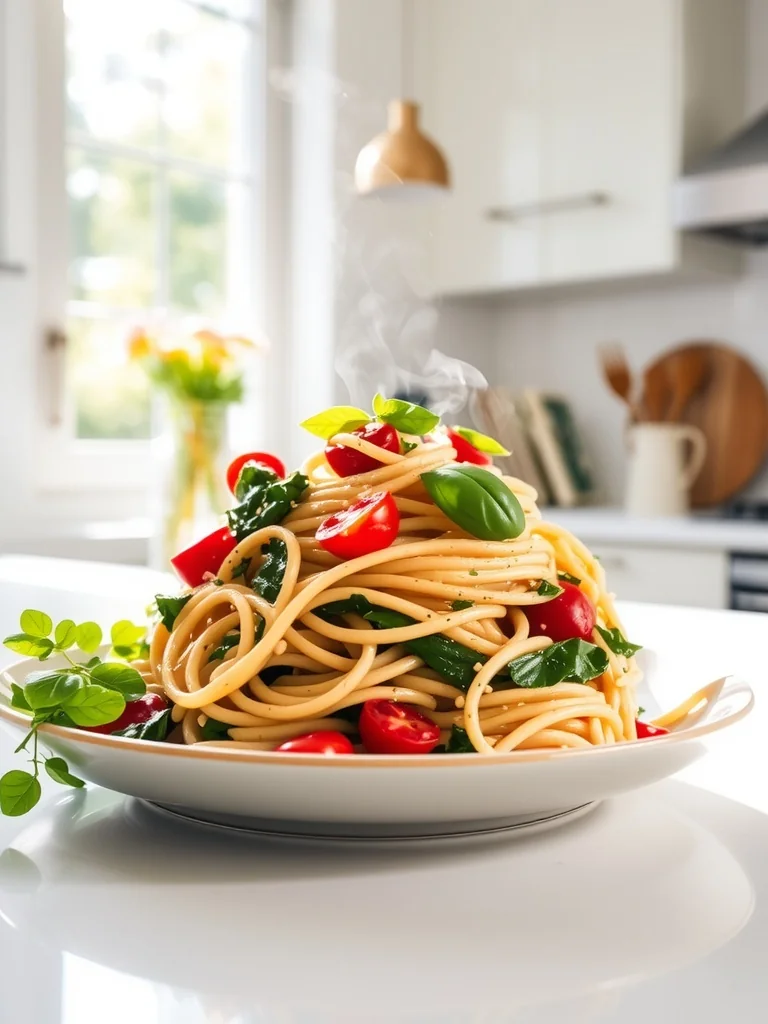
Spring Vegetable Pasta – Easy Vegan Recipe
Enjoy a fresh spring vegetable pasta that's quick, healthy, and completely vegan. Toss crisp veggies with al dente pasta for a vibrant, satisfying meal.
Timing
Prep Time
15 Minutes
Cook Time
20 Minutes
Total Time
35 Minutes
Recipe Details
Ingredients
Main Ingredients
- 01 12 oz whole‑wheat linguine or fettuccine
- 02 1 bunch asparagus, trimmed and cut into 2‑inch pieces
- 03 1 cup fresh or frozen peas
- 04 1 medium zucchini, diced
- 05 2 tbsp extra‑virgin olive oil
- 06 Zest of 1 lemon
- 07 2 tbsp fresh lemon juice
- 08 1/4 cup fresh basil leaves, torn
- 09 Salt and freshly cracked black pepper, to taste
- 10 Optional: 1 tsp maple syrup
Instructions
Bring a large pot of salted water to a boil; add the pasta and cook until al dente, about 9 minutes. Reserve 1 cup of cooking water, then drain.
While the pasta cooks, heat olive oil in a wide skillet over medium‑high heat. Add the asparagus and zucchini, sauté for 3‑4 minutes until just beginning to soften.
Stir in the peas and cook for another minute; they should stay bright green. Season lightly with salt.
Add the drained pasta to the skillet, sprinkle the lemon zest, drizzle the lemon juice, and toss together. If the mixture looks dry, add a splash of reserved pasta water until glossy.
Finish with torn basil, a grind of black pepper, and optional maple syrup. Serve immediately, perhaps with a lemon wedge on the side.
Notes & Tips
- 1 Taste and adjust seasoning before serving; a pinch more salt can brighten the flavors.
- 2 For extra herbaceous depth, add a few leaves of fresh mint just before plating.
- 3 If you prefer a richer mouthfeel, stir in a tablespoon of vegan butter at the end.
Tools You'll Need
-
Large pot
-
Colander
-
Wide skillet or sauté pan
-
Sharp chef’s knife
-
Cutting board
-
Measuring cups
-
Zester
Must-Know Tips
- Don’t overcook the pasta; it continues to soften in the sauce
- Reserve pasta water for a silky texture, not too much
- Add lemon zest at the end to keep its bright aroma
- Season in stages for balanced flavor
Professional Secrets
- Use freshly cracked pepper for a burst of heat
- Toast the lemon zest briefly for extra aroma
- Finish with a drizzle of high‑quality olive oil for richness

Recipe by
EvaEva is a seasoned home‑cook turned recipe developer who brings a dash of curiosity and a pinch of precision to every dish she creates for Your Website ...
Get Delicious Recipes Weekly
Join 25,000+ home cooks getting our best recipes straight to their inbox.
Free forever • No spam • Unsubscribe anytime