Why You'll Love It
- - Light yet satisfying, perfect for a weeknight dinner
- - Fresh herbs add bright flavor without heavy sauces
- - Quick to prepare, yet feels special and seasonal
- - Vegetarian-friendly and easy to customize
*"The peas were perfectly sweet and the herbs so fresh—I felt like I was dining outdoors on a sunny terrace."*
Essential Ingredient Guide
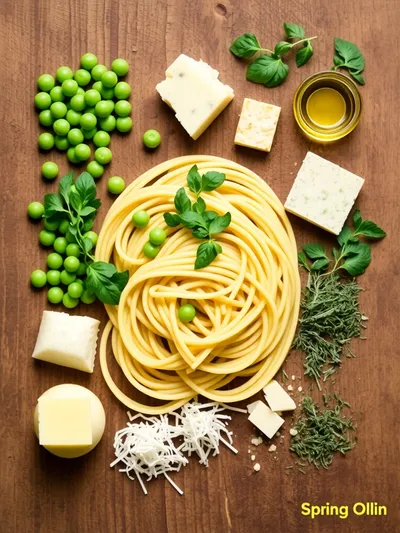
- Fettuccine: Choose bronze‑cut pasta for a rough surface that clings to the herb sauce.
- Fresh garden peas: Select bright green peas; snap them in the pod to release their natural sweetness.
- Mixed garden herbs (basil, mint, parsley): Rinse gently and pat dry; chiffonade them just before tossing for maximum fragrance.
- Lemon zest and juice: Adds brightness; zest first, then juice to balance acidity.
- Extra‑virgin olive oil: A drizzle at the end gives silkiness without heaviness.
- Parmesan cheese: Finely grated; adds umami without overwhelming the fresh herbs.
Complete Cooking Process
-
Ingredient Readiness:
Trim the herbs, shell the peas, and bring a large pot of salted water to a rolling boil.
-
Flavor Development:
Sauté garlic briefly, then fold in the peas and herbs, allowing their aromas to mingle.
-
Texture Control:
Cook the fettuccine al dente, then reserve a cup of pasta water to help emulsify the sauce.
-
Finishing Touches:
Toss everything together with lemon juice, zest, and a splash of pasta water, finishing with cheese.
-
Serving Timing:
Serve immediately while the pasta is warm and the herbs are still vivid.
- Add peas at the last minute of boiling to retain their bright color.
- Use the pasta water sparingly; it prevents the sauce from being watery.
- Grate cheese directly over the hot pasta to melt gently.
- Taste before adding salt; the cheese already brings seasoning.
Pro Tips
Well, these little tweaks keep the dish from becoming flat. I remember once I over‑salted the water and the peas turned bitter—so now I always taste the water first. The result is a balanced plate that lets each herb shine.
The essence of the dish:
A fun fact or historical angle:
Flavor or sensory focus:
You Must Know
- Use fresh peas for the best texture
- Don’t overcook the pasta
- Add herbs at the end to preserve flavor
Frequently Asked Questions
→ Can I use frozen peas?
Yes, thaw them and add them a minute before the pasta is done; they’ll still be sweet.
→ What herbs work best?
Basil, mint, and flat‑leaf parsley create a balanced garden flavor.
→ Is this dish gluten‑free?
Swap fettuccine for gluten‑free pasta; the rest of the recipe stays the same.
→ How long can leftovers be stored?
Refrigerate in an airtight container for up to 2 days; reheat gently with a splash of water.
→ Can I add protein?
Grilled chicken or shrimp make a hearty addition without overwhelming the herbs.
→ What wine pairs well?
A crisp Pinot Grigio or a light Sauvignon Blanc complements the bright flavors.
Chef's Tips
If you prefer a richer mouthfeel, finish with a drizzle of extra‑virgin olive oil.,Taste before adding extra salt; cheese contributes its own seasoning.,For a vegan version, replace Parmesan with nutritional yeast.
Nutrition Facts
per serving
420
Calories
15g
Protein
55g
Carbs
14g
Fat
Taste Profile
Bright, fresh, and lightly citrusy
Ingredient Substitutions
Don't have an ingredient? Try these alternatives
Cooking time may vary slightly; check package instructions.
Provides a cheesy flavor without dairy.
Recipe Variations
Try these delicious twists on the original
Spicy Version
Add a pinch of red pepper flakes and a drizzle of chili‑infused olive oil for a gentle heat.
Mediterranean Style
Fold in crumbled feta, sliced kalamata olives, and sun‑dried tomatoes for a tangy twist.
Common Mistakes to Avoid
Learn from others' mistakes for perfect results
- Overcooking peas, which turns them mushy.
- Adding herbs too early, losing their fresh flavor.
- Using too much pasta water, making the sauce watery.
Meal Prep & Storage
Make Ahead Tips
You can shell the peas and chop the herbs up to a day ahead; keep them in separate airtight containers.
Leftover Ideas
Reheat gently in a skillet with a splash of water or broth, adding extra herbs at the end.
Perfect Pairings
Serve this with...
Cooking Timeline
Bring water to boil; prep peas and herbs.
Cook pasta al dente; reserve 1 cup water.
Sauté garlic, add peas, then herbs, lemon zest and juice.
Combine pasta with skillet, add cheese and toss.
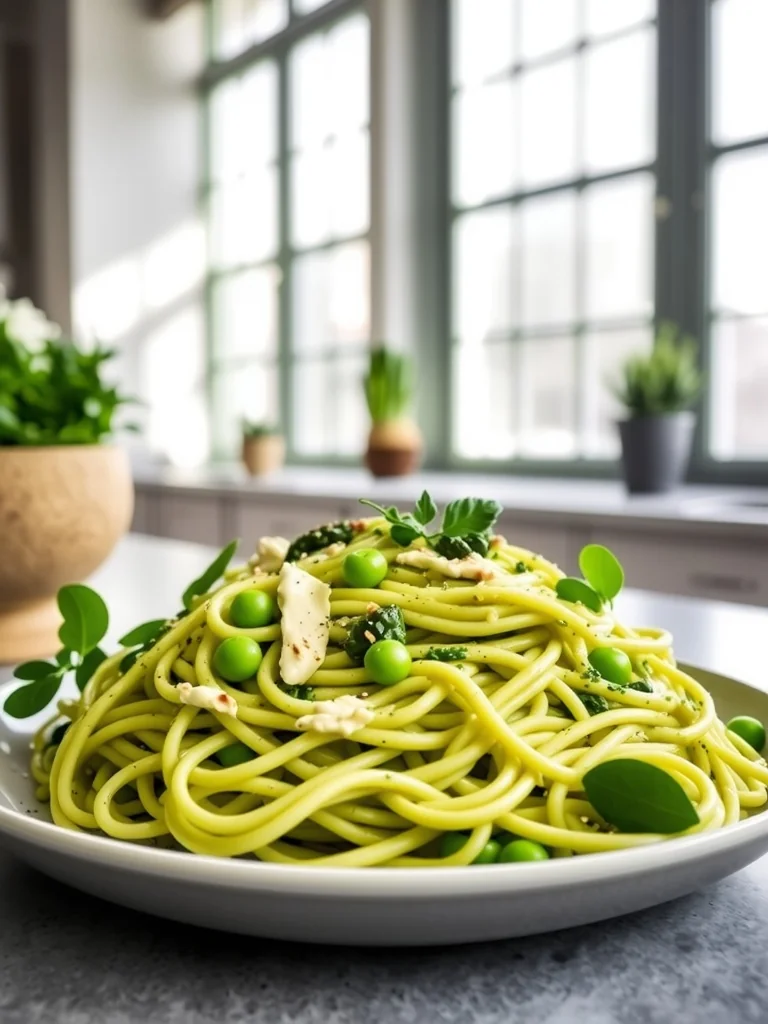
Spring Pea and Garden Herb Fettuccine
Enjoy spring pea and garden herb fettuccine—tender pasta with sweet peas and fresh herbs, perfect for a light, healthy dinner.
Timing
Prep Time
15 Minutes
Cook Time
20 Minutes
Total Time
35 Minutes
Recipe Details
Ingredients
Main Ingredients
- 01 12 oz fettuccine
- 02 1 cup fresh garden peas, shelled
- 03 1/4 cup fresh basil leaves
- 04 1/4 cup fresh mint leaves
- 05 2 tbsp fresh flat‑leaf parsley, chopped
- 06 2 tbsp extra‑virgin olive oil
- 07 1 garlic clove, minced
- 08 Zest of 1 lemon
- 09 2 tbsp lemon juice
- 10 1/3 cup grated Parmesan cheese
- 11 Salt and freshly ground black pepper to taste
Instructions
Bring a large pot of salted water to a boil; add the fettuccine and cook al dente according to package instructions.
Meanwhile, heat olive oil in a large skillet over medium heat; add the minced garlic and sauté for 30 seconds until fragrant.
Add the peas to the skillet, cooking for 2‑3 minutes until just tender; stir in the chopped herbs, lemon zest, and lemon juice, tossing gently.
Reserve 1 cup of pasta water, then drain the fettuccine. Add the pasta to the skillet, tossing everything together; drizzle with a little pasta water if needed to create a light sauce.
Season with salt and pepper, sprinkle Parmesan cheese, give a final toss, and serve immediately.
Notes & Tips
- 1 If you prefer a richer mouthfeel, finish with a drizzle of extra‑virgin olive oil.
- 2 Taste before adding extra salt; cheese contributes its own seasoning.
- 3 For a vegan version, replace Parmesan with nutritional yeast.
Tools You'll Need
-
Large pot
-
Skillet
-
Colander
-
Wooden spoon
-
Microplane or zesting tool
-
Grater
Must-Know Tips
- Don’t overcook peas; they should stay bright and crisp.
- Reserve pasta water to help emulsify the sauce.
- Add herbs at the end to preserve their aromatic oils.
Professional Secrets
- Use cold water to rinse peas after boiling; it locks in color.
- Toast the herbs briefly in the oil for a deeper flavor.
- Finish with a cold splash of lemon juice for brightness.
Recipe by
EvaEva is a seasoned home‑cook turned recipe developer who brings a dash of curiosity and a pinch of precision to every dish she creates for Your Website ...
Get Delicious Recipes Weekly
Join 25,000+ home cooks getting our best recipes straight to their inbox.
Free forever • No spam • Unsubscribe anytime