Why You'll Love It
- - Vibrant color that lifts the mood
- - Light sauce that lets vegetables shine
- - Quick to prepare on a weekday
- - Naturally nutritious and satisfying
"The pasta was unbelievably fresh, and the sauce felt like a spring breeze on my tongue—pure delight!"
Essential Ingredient Guide
- Green pasta (spinach or pesto infused): Choose pasta made with real spinach for bright pigment and a subtle earthy flavor.
- Fresh peas: Snap peas or garden peas add sweetness; look for bright green pods and shell them shortly before cooking.
- Asparagus tips: Trim the woody ends; the tender tips provide a pleasant crunch.
- Lemon zest and juice: Adds a bright lift; zest first, then squeeze juice at the end for balance.
- Extra‑virgin olive oil: Use a mellow oil to coat the pasta without overpowering the greens.
- Fresh herbs (basil, mint): Rough‑chop just before serving to keep the aroma fresh.
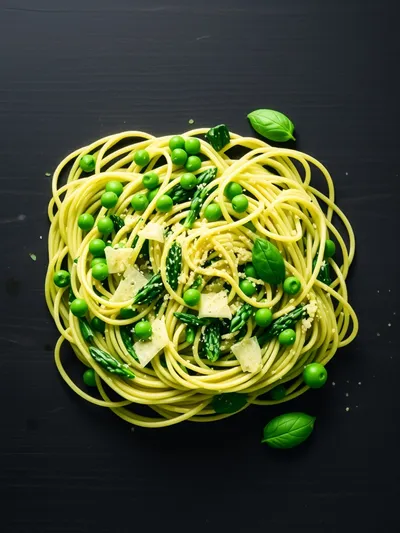
Complete Cooking Process
-
Ingredient Readiness:
Wash and snap peas, trim asparagus, zest lemon, and have all pasta measured and ready.
-
Flavor Development:
Sauté garlic gently, then add peas and asparagus so they soften while retaining a bite.
-
Texture Control:
Cook pasta al dente, then finish it in the pan to let the sauce cling.
-
Finishing Touches:
Stir in lemon juice, zest, fresh herbs, and a drizzle of olive oil just before plating.
-
Serving Timing:
Serve immediately while the pasta is warm and the greens are vivid.
- Reserve a cup of pasta water to adjust sauce consistency.
- Taste and add a pinch of sea salt after adding lemon.
- Use a gentle toss to keep the pasta strands glossy.
- Finish with a sprinkle of toasted pine nuts for extra crunch.
Pro Tips
Well, I’ve found that these small steps keep the dish from getting soggy and preserve that fresh spring feel. Ugh, don’t underestimate the power of a little pine nut crunch—it adds a surprise texture that makes the whole plate feel more complete. Honestly, it’s those tiny details that turn an everyday dinner into a comforting ritual.
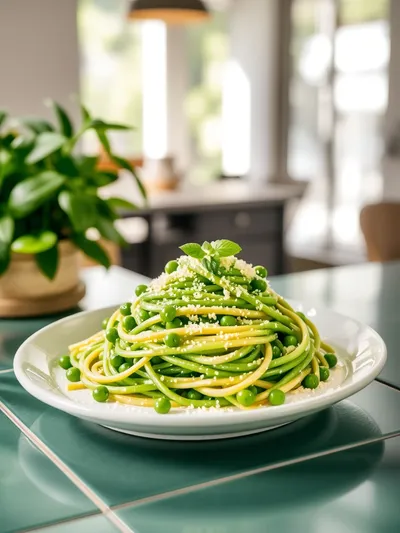
The essence of the dish:
A fun fact or historical angle:
Flavor or sensory focus:
You Must Know
- Cook pasta just shy of fully done.
- Add vegetables early enough to stay bright.
- Finish with citrus for balance.
Frequently Asked Questions
→ Can I use gluten‑free pasta?
Yes, substitute with a gluten‑free green pasta or a brown rice noodle; cooking times may vary slightly.
→ What if I don’t have fresh peas?
Frozen peas work well—just thaw them before adding to the pan.
→ How do I keep the pasta from sticking?
Toss it with a little olive oil and a splash of pasta water right after draining.
→ Can I add protein?
Sure, grilled chicken or pan‑seared shrimp make a lovely addition.
→ Is this recipe vegan?
Absolutely, just ensure you use vegan pasta and skip any cheese.
→ What other herbs work well?
Fresh dill or parsley add a bright note; experiment to find your favorite.
Chef's Tips
If the sauce seems dry, add more pasta water a tablespoon at a time.,For extra brightness, drizzle a little extra lemon juice just before serving.,To make it vegan, skip the cheese and use nutritional yeast as a garnish.
Nutrition Facts
per serving
420
Calories
15g
Protein
58g
Carbs
14g
Fat
Taste Profile
Bright and refreshing with a gentle citrus finish
Ingredient Substitutions
Don't have an ingredient? Try these alternatives
Colors will differ but texture remains similar.
Use half the amount to avoid overpowering acidity.
Recipe Variations
Try these delicious twists on the original
Spicy Version
Add a pinch of red pepper flakes and a dash of hot sauce for a gentle heat.
Mediterranean Style
Include sun‑dried tomatoes, olives, and crumbled feta for a savory twist.
Common Mistakes to Avoid
Learn from others' mistakes for perfect results
- Overcooking the pasta, which makes it mushy.
- Adding lemon juice too early, causing a flat flavor.
- Using too much oil, resulting in a greasy dish.
Meal Prep & Storage
Make Ahead Tips
You can shell the peas and trim asparagus a day ahead; keep them in a sealed container in the fridge.
Leftover Ideas
Reheat gently in a skillet with a splash of broth; add a little extra olive oil to revive the shine.
Perfect Pairings
Serve this with...
Cooking Timeline
Prepare all vegetables – shell peas, trim asparagus, zest lemon, and bring water to boil.
Cook pasta al dente, reserve pasta water, then drain.
Sauté garlic, add peas and asparagus, cooking until just tender.
Add pasta to skillet, stir in lemon zest, juice, olive oil, and pasta water to coat.
Season, fold in fresh basil, garnish, and serve immediately.
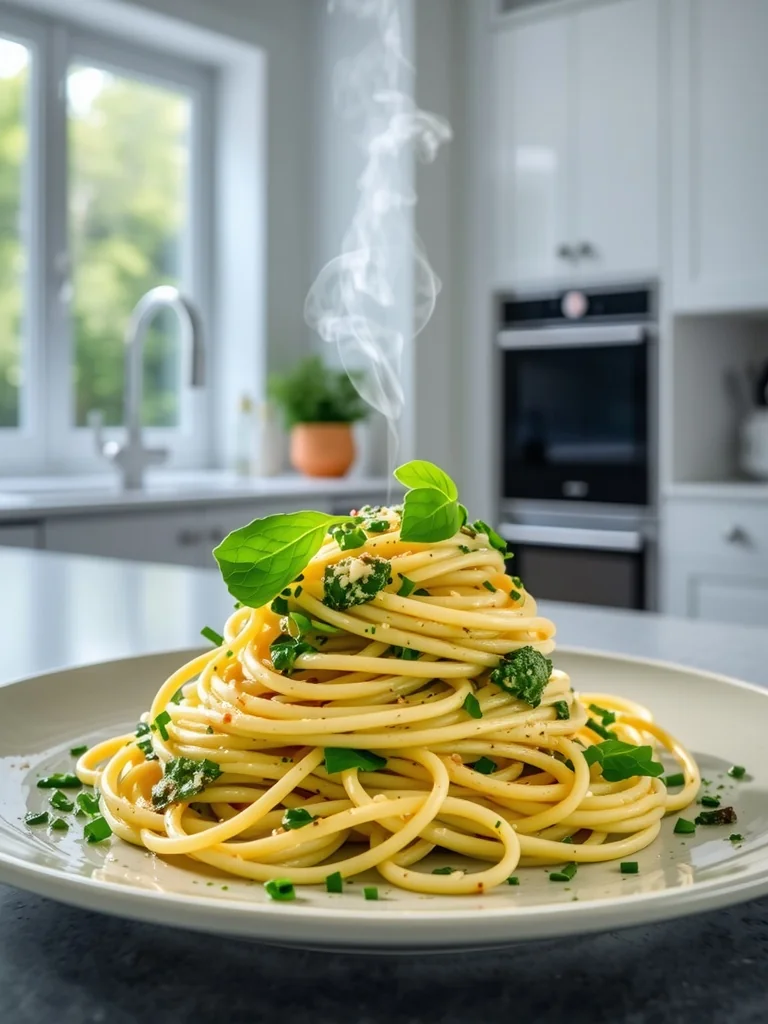
Spring Green Pasta Recipe
A bright, spring‑time pasta dish that brings together tender green peas, fresh spinach, and a whisper of lemon, all tossed in a light olive‑oil sauce—perfect for a quick, healthy lunch or dinner.
Timing
Prep Time
15 Minutes
Cook Time
20 Minutes
Total Time
35 Minutes
Recipe Details
Ingredients
Main Ingredients
- 01 12 oz green spinach pasta
- 02 1 cup fresh peas, shelled
- 03 1 cup asparagus tips, cut into 1‑inch pieces
- 04 2 cloves garlic, minced
- 05 Zest of 1 lemon
- 06 2 tbsp lemon juice
- 07 3 tbsp extra‑virgin olive oil
- 08 2 tbsp fresh basil, chopped
- 09 Salt and pepper to taste
Optional Garnish
- 01 1 tbsp toasted pine nuts
- 02 Grated Pecorino Romano
Instructions
Bring a large pot of salted water to a boil, add the green pasta and cook al dente according to package directions.
Meanwhile, heat 2 tbsp olive oil in a large skillet over medium heat, add minced garlic and sauté until fragrant, then add peas and asparagus; cook 3‑4 minutes until just tender.
Reserve ½ cup pasta cooking water, drain the pasta, and add it to the skillet with the vegetables.
Stir in lemon zest, lemon juice, the remaining olive oil, and a splash of reserved water; toss gently to coat.
Season with salt and pepper, fold in fresh basil, and serve immediately topped with pine nuts and optional Pecorino.
Notes & Tips
- 1 If the sauce seems dry, add more pasta water a tablespoon at a time.
- 2 For extra brightness, drizzle a little extra lemon juice just before serving.
- 3 To make it vegan, skip the cheese and use nutritional yeast as a garnish.
Tools You'll Need
-
Large pot
-
Skillet
-
Colander
-
Chef’s knife
-
Cutting board
-
Grater
Must-Know Tips
- Don’t overcook the pasta, keep it al dente for best texture.
- Reserve pasta water early, it helps bind the sauce.
- Taste and adjust seasoning at the end to balance lemon.
Professional Secrets
- Cook pasta in generously salted water for flavor infusion.
- Finish pasta in the pan to allow the sauce to cling.
- Add lemon zest before juicing to preserve aromatic oils.

Recipe by
EvaEva is a seasoned home‑cook turned recipe developer who brings a dash of curiosity and a pinch of precision to every dish she creates for Your Website ...
Get Delicious Recipes Weekly
Join 25,000+ home cooks getting our best recipes straight to their inbox.
Free forever • No spam • Unsubscribe anytime